Pallets, Mixed Lots, and Bulk Inventory for Resale Businesses
Pallets, Mixed Lots, and Bulk Inventory for Resale Businesses
A reseller can find attractive inventory and still make the wrong purchase if the format does not fit the operation. A pallet may look manageable but require more sorting than expected. A mixed lot may offer variety but create too many listing and pricing decisions. Bulk inventory can create scale, but only when the business has enough space, cash, labor, and customer demand.
Choosing between pallets, mixed lots, and bulk inventory should start with your business model—not the size of the opportunity. The right format is the one you can receive, process, store, sell, and replenish without putting unnecessary pressure on cash flow or operations.
For resellers sourcing through URSource Liquidation in San Marcos, Texas, review each opportunity based on the available details and your actual capacity.
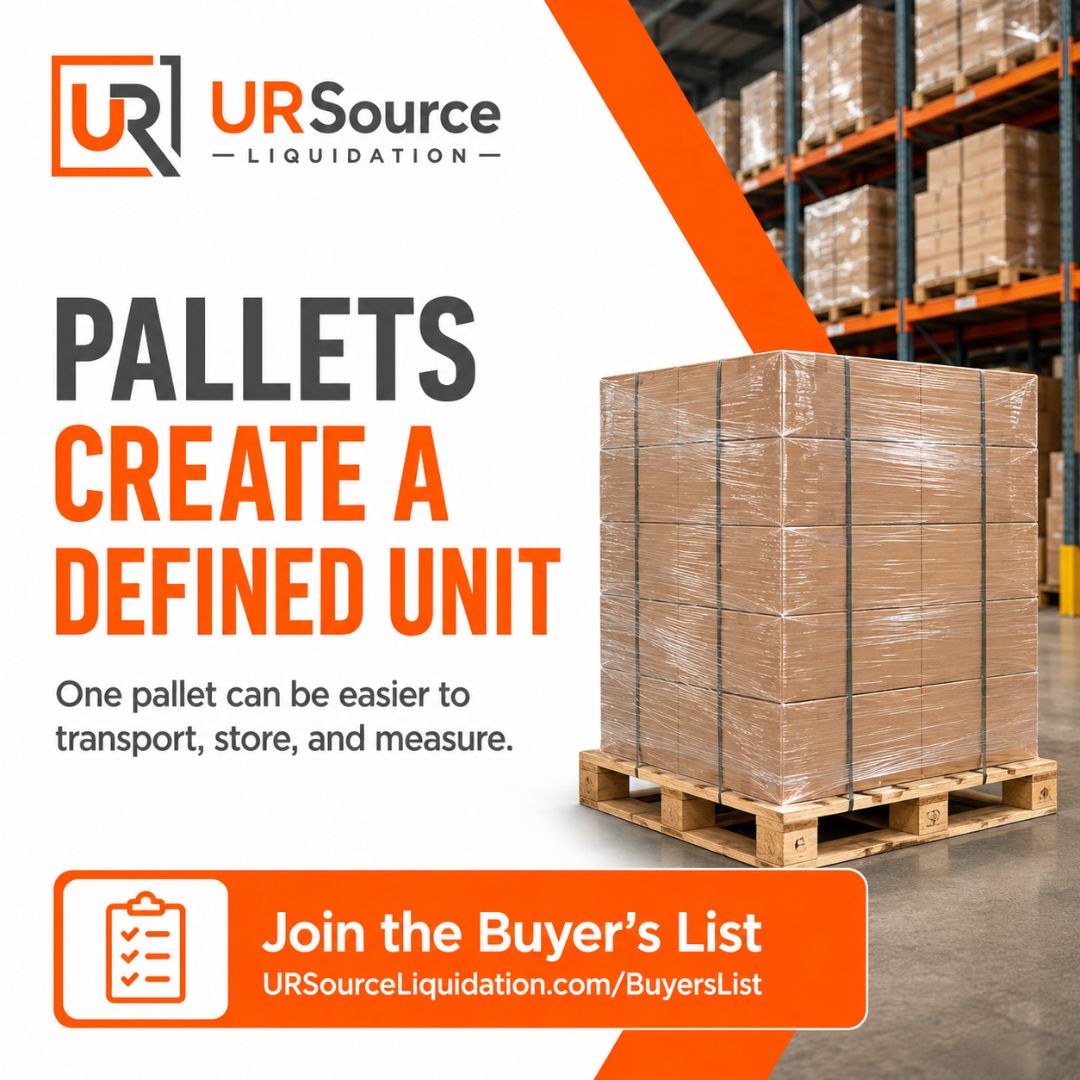
Pallets Create a Defined Unit
Pallet inventory gives you a clear physical unit to evaluate. Compared with a larger bulk commitment, a pallet may be easier to plan around for transportation, unloading, storage, and workflow.
That does not mean every pallet is automatically a good fit. You still need to review the category mix, available condition information, volume, and the work required before the merchandise is ready to sell.
A pallet can make sense when your operation benefits from a defined receiving size. You can more easily estimate where it will be stored, how it will be unloaded, and how much processing time you can assign to it.
Before committing, ask practical questions. Do you have room after pickup? Can your vehicle and equipment handle it? Do you have enough time to sort, test, clean, photograph, price, or display the merchandise? A manageable footprint only helps when the workload is manageable too.

Mixed Lots Offer Variety
Mixed lots may include multiple categories, product types, or price points. That variety can create more selling paths because different items may fit different customers or channels.
A reseller might separate stronger items for online listings while directing lower-priced merchandise toward a flea market, discount setup, bundle, or another sales path.
The tradeoff is sorting complexity. More variety usually means more decisions. You may need to separate categories, identify pricing levels, determine which items deserve individual attention, and decide where each group should be sold.
Mixed lots work best when variety is a strength rather than a distraction. If your operation is built around one narrow category, a highly mixed load may create extra work. If you already use multiple sales channels, that same variety may be easier to manage.
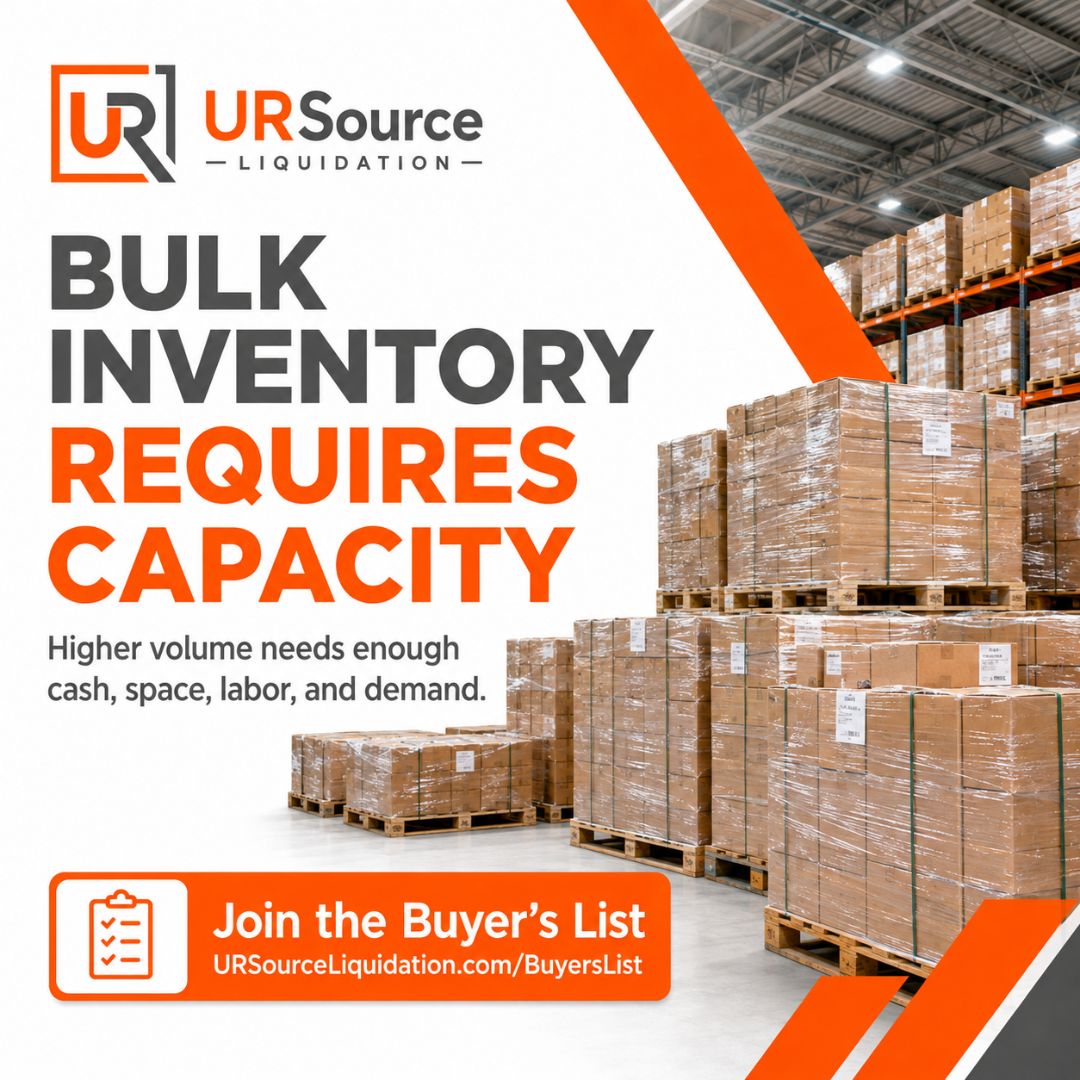
Bulk Inventory Requires Capacity
Bulk inventory can support higher-volume resale operations, but volume creates operational demands that should be planned before purchase.
Start with cash. A larger inventory commitment can tie up more working capital while merchandise is being processed and sold. Purchase cost is only part of the commitment. Transportation, unloading, storage, labor, supplies, and selling expenses matter too.
Then look at physical capacity. Where will the inventory go when it arrives? Is there enough room to receive it without disrupting inventory you already own? Can you move it through your operation efficiently?
Labor matters just as much as space. Bulk inventory may require more sorting, testing, cleaning, pricing, photographing, listing, merchandising, customer service, and recordkeeping. If your team cannot process inventory at the same pace you receive it, the backlog can slow the operation.
Higher volume should also match real demand. Know which customers or sales channels are expected to absorb it and what your exit plan is for slower-moving merchandise.
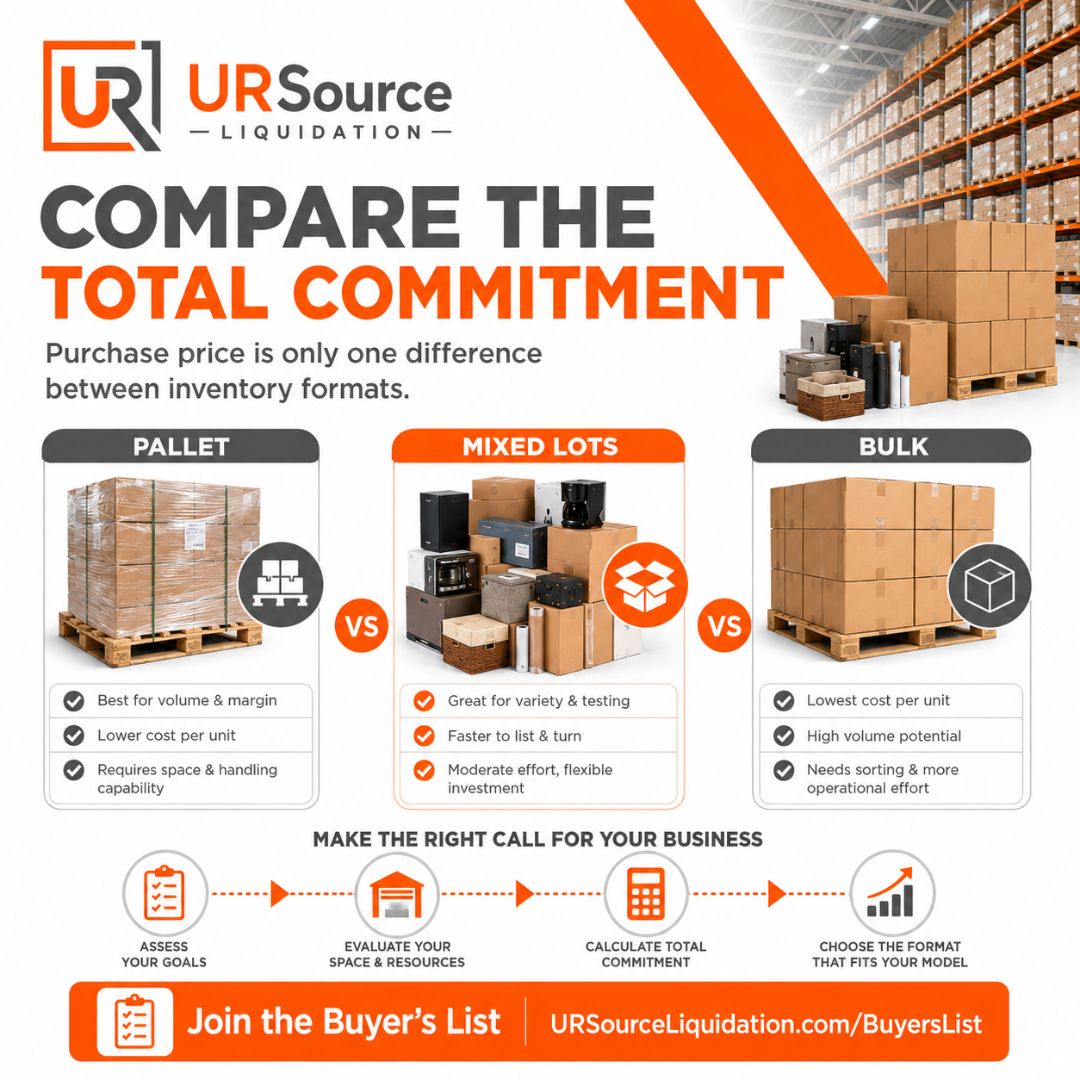
Compare the Total Commitment
The difference between pallets, mixed lots, and bulk inventory is not simply the purchase price. Each format creates a different total commitment.
Compare transportation requirements, loading and unloading needs, storage space, processing time, supplies, staffing, sales speed, and working capital. Consider how long the inventory may occupy space before it sells.
An inventory format that looks cheaper at purchase may require more labor, more storage, or more time to convert into sellable merchandise. Another format may cost more upfront but fit your workflow better.
There is no universal best format. A smaller reseller may prefer tighter inventory units because they are easier to control. A growing store may need more volume to keep its sales floor supplied. An online seller may care more about individually listable items than total physical volume.
Compare each opportunity against the entire operation, not just the invoice.
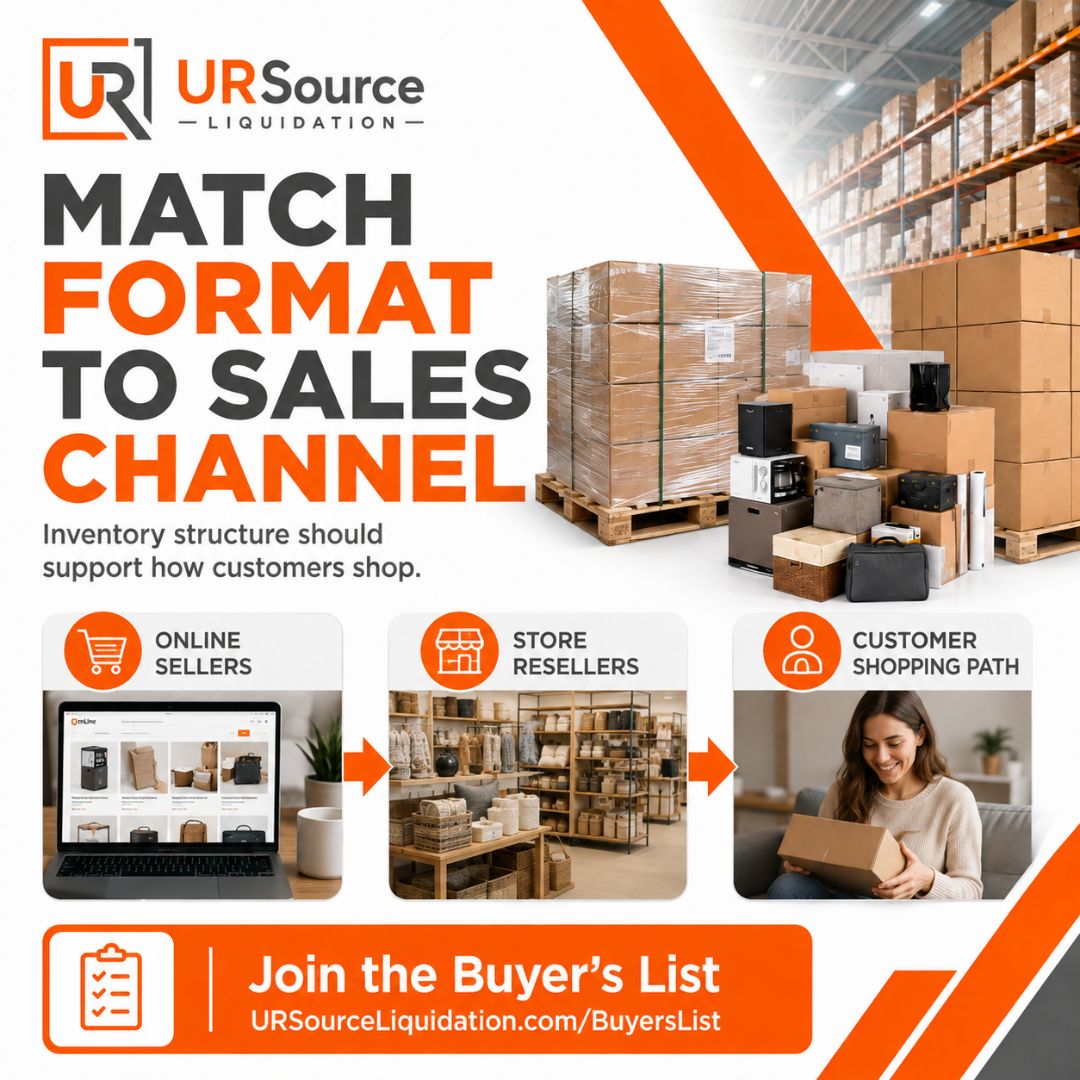
Match Format to Sales Channel
Your primary sales channel should influence the inventory format you choose.
Online sellers often need items that justify the time required for photography, descriptions, condition disclosure, pricing, packing, shipping, customer service, and platform fees. A large volume of low-priority items can overwhelm listing capacity.
Flea market vendors may benefit from visible variety and merchandise that can be displayed, priced, bundled, and transported efficiently. Bin stores and discount stores may need enough volume and assortment to support their floor model and restock cycle.
The question is not which format sounds more impressive. It is which format supports the way your customers actually shop.
Use your own sales history to guide the decision. Look at which categories move, which price points perform, how much inventory your channels can absorb, and where merchandise slows down. Then choose pallets, mixed lots, or bulk inventory based on that evidence.
Choose the Format Your Operation Can Support
Pallets, mixed lots, and bulk inventory can all work for resale businesses, but they create different demands. Pallets provide a defined unit. Mixed lots create variety. Bulk inventory requires greater capacity. The best choice depends on your budget, space, labor, transportation, processing speed, customers, and sales channels.
When reviewing pallets mixed lots bulk inventory, focus on the total commitment and how the merchandise fits your actual operation. A format that supports your workflow is more useful than one that simply gives you more inventory.
URSource Liquidation serves resellers from its San Marcos, Texas warehouse, and availability can change. Review the available details for each opportunity and compare them with the limits and strengths of your resale business.
Already know whether pallets, mixed lots, or higher-volume inventory fits your space, budget, processing capacity, and sales channels? Join the URSource Buyer’s List and use those limits when reviewing new inventory opportunities as they become available.
