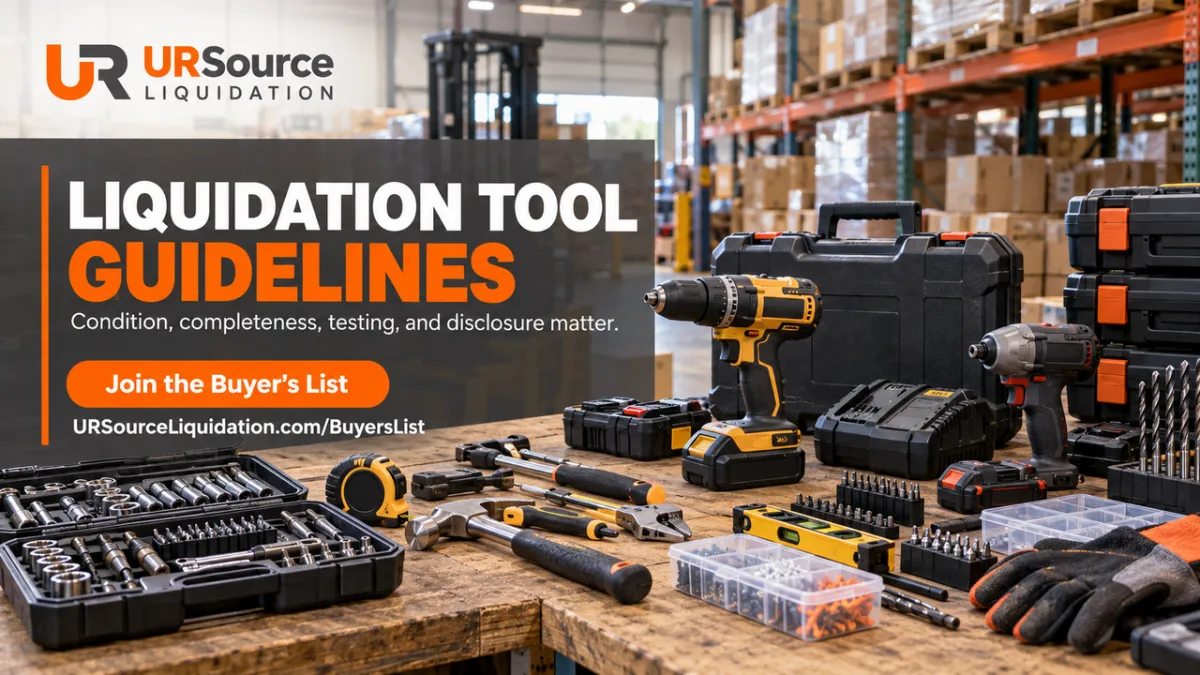
Sourcing, Testing, Pricing, and Selling Liquidation Tools
A recognizable tool brand may attract attention, but brand recognition alone does not tell you whether the item is complete, functional, or ready to sell. Missing batteries, damaged cords, absent attachments, and unclear condition can change the value of liquidation tools quickly.
A practical process helps you evaluate each item before making a selling decision. Start by identifying the likely buyer, then review completeness, test only when it is safe, price the actual condition, and keep every part organized.
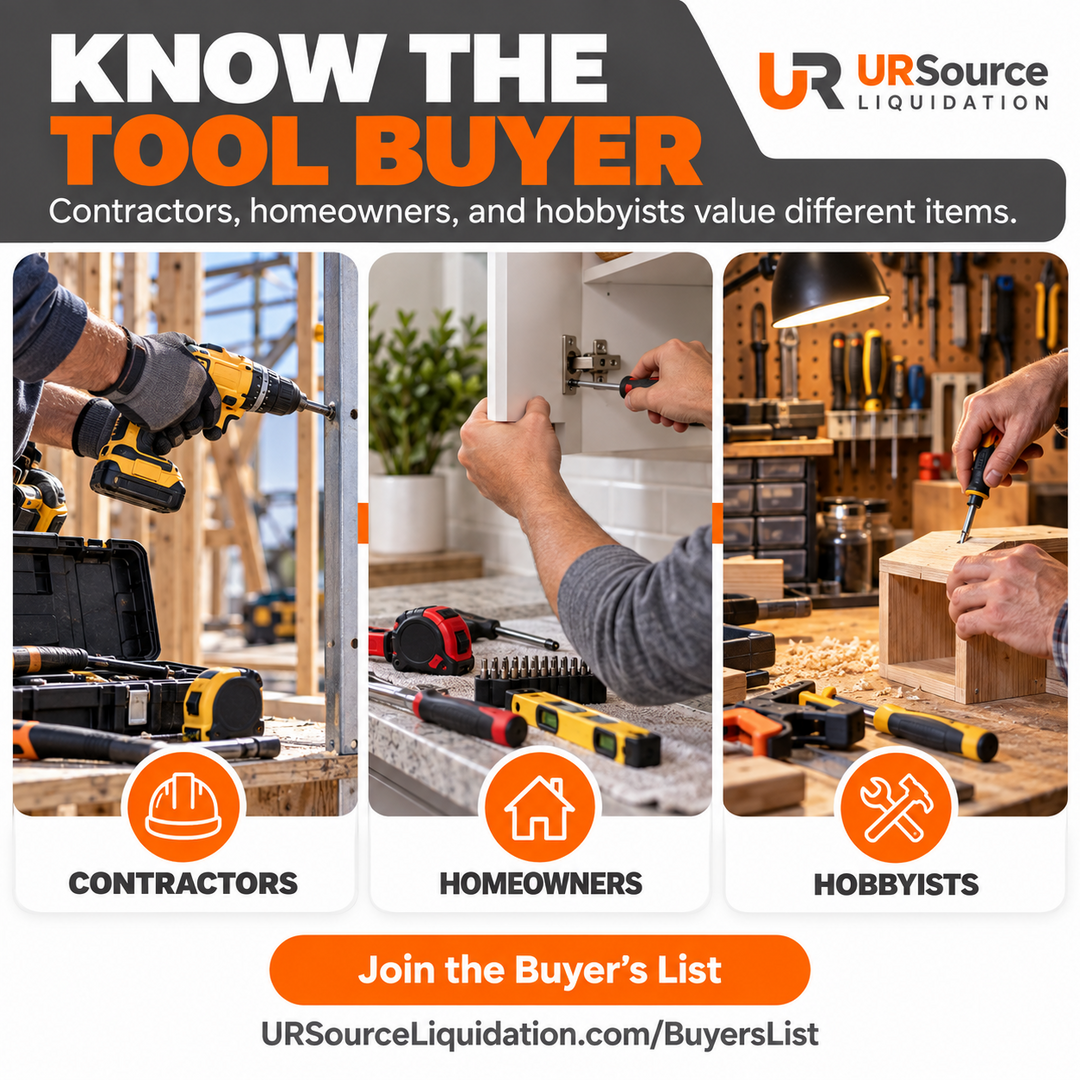
Know the Tool Buyer
Different buyers look for different types of tools. Contractors may prioritize dependable equipment that is ready for regular job use. Homeowners may focus on tools for occasional repairs, maintenance, or improvement projects. Hobbyists may be more interested in specialty items, accessories, or tools that fit a particular project.
Before sorting your inventory, think about which buyers you can realistically reach. A tool that makes sense for a contractor may not be the best fit for a casual homeowner. Likewise, an item that requires more technical knowledge may perform better when presented to hobbyists or experienced resellers.
Use the buyer’s needs to guide your sorting and descriptions. Group similar tools and accessories together, but avoid assuming that every item will appeal to the same customer. The more clearly you understand the intended user, the easier it becomes to choose a selling channel and explain the item accurately.
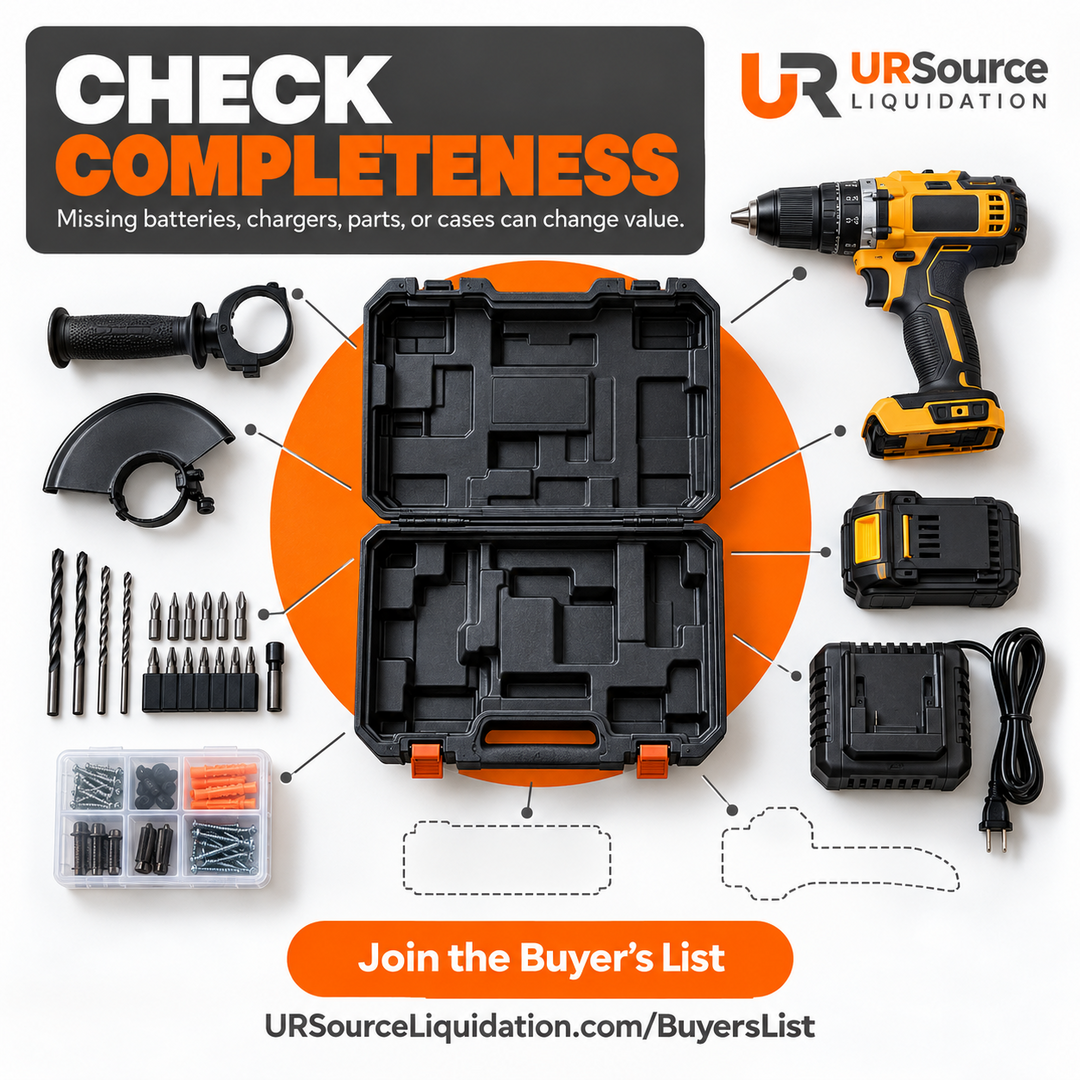
Check Completeness
A tool should be evaluated as the item the customer will actually receive—not the item shown in an ideal product photo.
Check whether the tool includes the components needed for normal use. Depending on the item, this may include batteries, chargers, cases, handles, guards, blades, bits, attachments, manuals, or other small accessories. Do not assume that a missing component is easy or inexpensive to replace.
Separate inventory into clear groups, such as complete, partially complete, needs review, and parts or accessories. Photograph the included components and note anything that is missing. If you cannot verify whether a part belongs with a tool, keep it separate until you can identify it.
Completeness can affect both customer expectations and the amount of work required before sale. A tool with a case and compatible accessories may need to be presented differently from the same tool sold by itself.
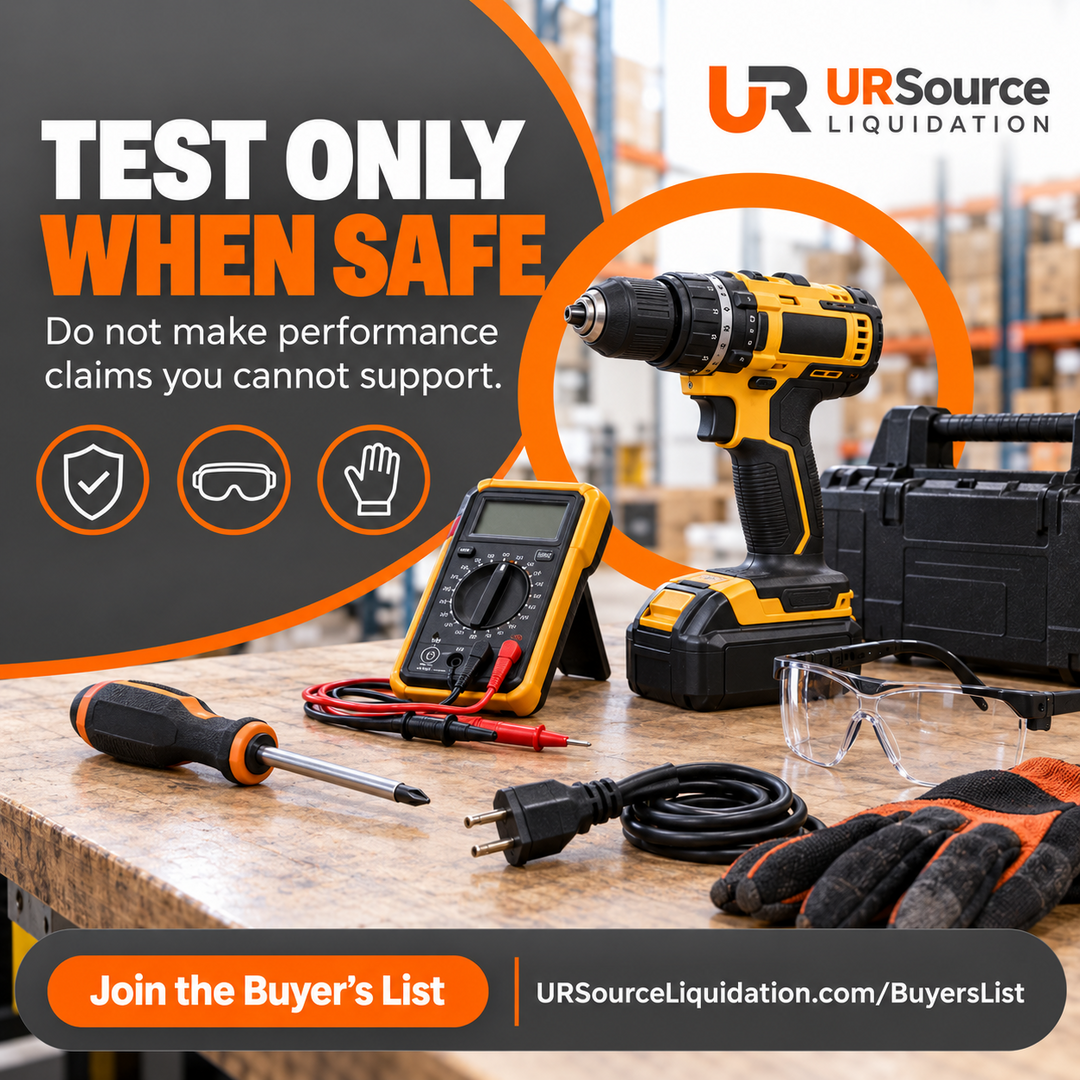
Test Only When Safe
Testing can provide useful information, but safety should come before a sales deadline. Start with a visual inspection. Look for cracked housings, damaged cords, exposed wiring, missing guards, corrosion, leaks, or batteries that appear swollen or damaged.
Do not power on equipment that appears unsafe or that you cannot test responsibly. Use an appropriate workspace and follow the product’s safety instructions when a test is possible. If an item cannot be tested, describe it as untested rather than guessing about performance.
Be precise about what the test actually showed. “Powers on” is not the same as “fully functional,” and a brief startup does not prove that a tool will perform under extended use. Record the limits of your inspection and disclose them in the listing or sales conversation.
Careful testing protects your reputation and helps buyers make informed decisions. It also prevents a limited observation from becoming a performance claim you cannot support.
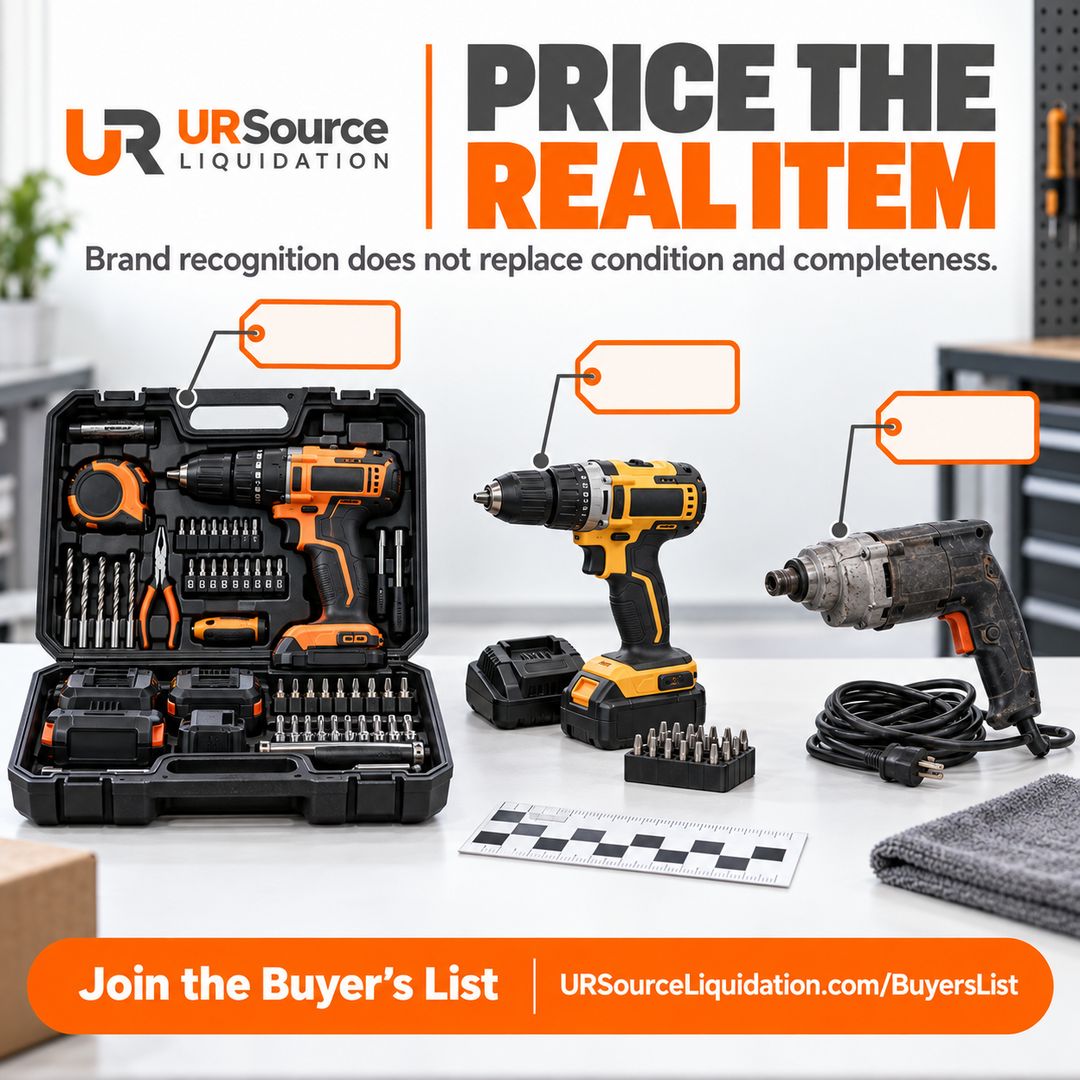
Price the Real Item
Pricing liquidation tools requires looking at the actual condition and contents of the item. A familiar brand may help a customer recognize the product, but it does not replace a complete inspection.
Consider the model, condition, completeness, test results, compatibility, visible wear, and selling channel. A complete working tool may need a different price from an incomplete or untested item. Accessories and cases may add usefulness, while missing components or damage may require a lower price or a different selling category.
Your pricing decision should also account for the costs involved in preparing and selling the item. Transportation, cleaning, testing, storage, labor, packaging, platform fees, and customer communication can all affect the final result.
Review comparable products in the channel where you plan to sell, but make sure the comparison is based on similar condition and included components. Avoid pricing from brand name alone, and avoid describing an item as job-ready unless your inspection supports that statement.
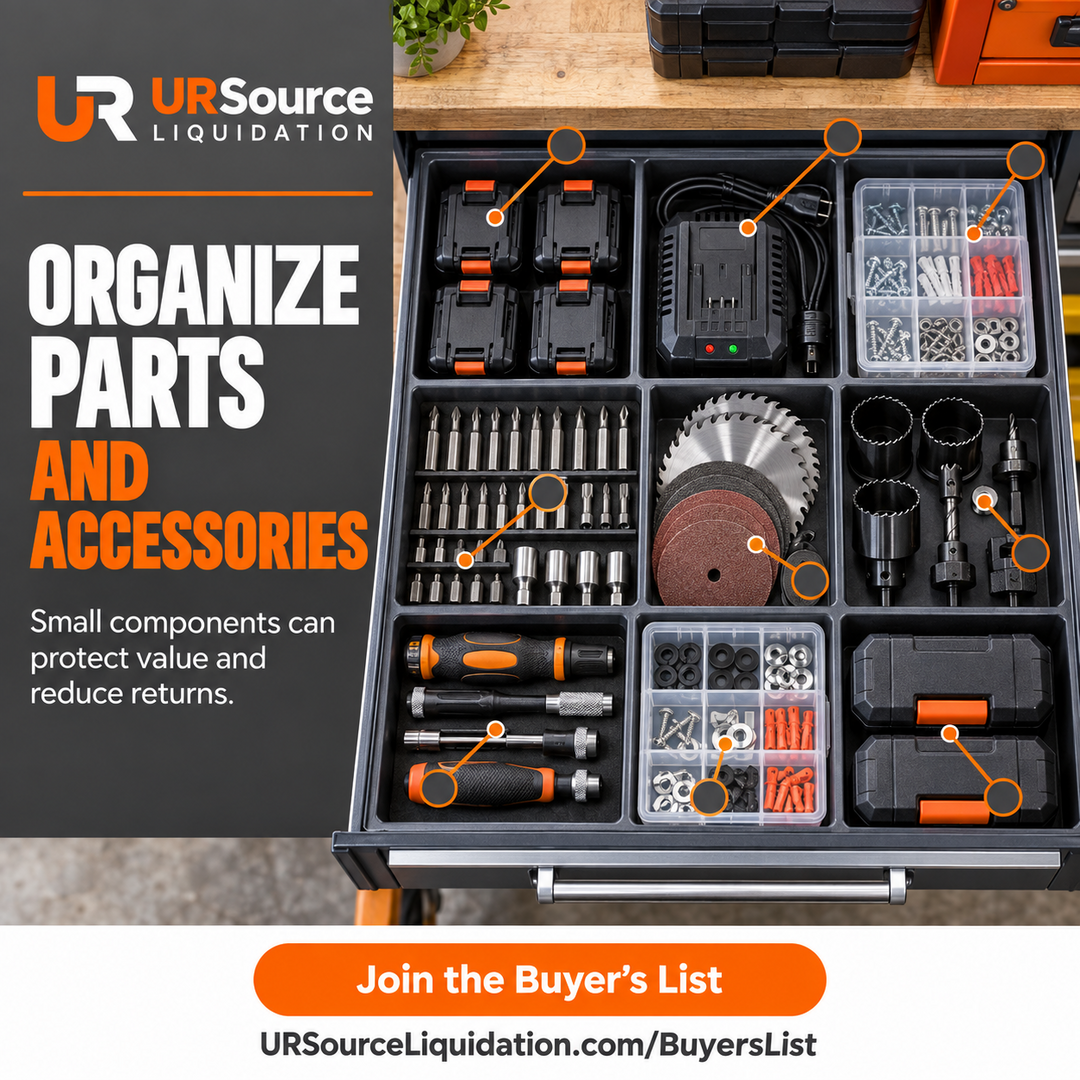
Organize Parts and Accessories
Small components are easy to lose and difficult for buyers to evaluate when they are mixed together. Create a system that keeps accessories connected to the correct tool.
Use labeled bags, small bins, or dedicated compartments for chargers, batteries, bits, blades, handles, cases, and attachments. When possible, photograph the tool and its included parts together. If an accessory is not yet matched to a specific item, place it in a separate review area instead of guessing.
Organized parts make inventory easier to count, photograph, list, and pull when sold. They can also reduce customer confusion about what is included. Clear organization is especially important when several tools look similar or use related accessories.
Build a More Reliable Tool-Selling Process
Sourcing, testing, pricing, and selling liquidation tools works best when each step supports the next one. Buyer fit influences how you sort the inventory. Completeness affects testing and pricing. Testing affects the description. Organized accessories make the final offer easier to understand.
Your results may depend on purchase cost, condition, demand, labor, storage, selling fees, and sell-through time. If you are evaluating liquidation opportunities connected to San Marcos, Texas, include transportation and handling in the overall plan.
A consistent process will not make every tool a perfect purchase, but it can help you identify what you actually have and present it honestly to the right buyer.
Looking for future liquidation inventory opportunities? Join the URSource Liquidation Buyer’s List and evaluate potential tool loads with buyer fit, completeness, safe testing, accurate pricing, and organized accessories in mind.
Frequently Asked Questions
1. What should I consider before buying liquidation tools?
Review the likely buyer, condition, completeness, testing requirements, purchase cost, transportation, storage, and preparation work. The right opportunity should fit your customers and selling process.
2. Who typically buys liquidation tools?
Contractors, homeowners, and hobbyists may all purchase tools, but their needs can be different. Contractors may look for job-ready equipment, while homeowners and hobbyists may prioritize occasional-use or project-specific tools.
3. Why is completeness important when selling tools?
Missing components can affect how a tool is used and how it should be priced. A tool with its necessary battery, charger, case, or attachments should be described differently from an incomplete set.
4. Which parts and accessories should I check?
Look for batteries, chargers, cases, handles, guards, blades, bits, attachments, manuals, and other components associated with the tool. Do not assume that every loose accessory belongs with the item.
5. How should I handle tools with missing parts?
Separate incomplete tools from complete items and clearly document what is missing. You may need to sell the item differently or price it based on its actual contents.
6. How can I test liquidation tools safely?
Begin with a visual inspection for damage, exposed wiring, cracked housings, corrosion, or unsafe batteries. Only test an item when the workspace and equipment are safe, and follow appropriate safety instructions.
7. What does “powers on” mean in a tool listing?
“Powers on” only confirms that the tool started during a limited test. It does not prove that the tool is fully functional or ready for extended use.
8. How should I describe an untested tool?
State clearly that the item was not tested and avoid guessing about its performance. Honest descriptions help buyers understand what was and was not confirmed.
9. Does brand recognition determine the price of a liquidation tool?
No. Brand recognition may help customers identify a tool, but condition, completeness, compatibility, testing results, and included accessories also affect pricing.
10. How should I organize tool parts and accessories?
Keep batteries, chargers, bits, blades, handles, cases, and attachments with the correct tool whenever possible. Use labeled bags or compartments, photograph the included parts, and separate unmatched accessories for later review.
